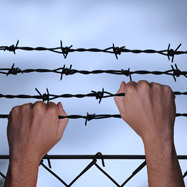
Efforts to control and prevent illegal immigration remain highly inadequate in India; and likely to remain so in the coming years. But, the reality is that unabated illegal immigration has enormous demographic and social implications, capable of creating tensions and conflict between the immigrants and the natives; and more so among the natives.
The issue of Bangladeshi illegal migration has troubled the state of Assam for decades now. Assamese political and social discourses fear that this unchecked migration from across the border will subvert their way of life and change the demographic profile of the state in the near future.
The language issue has the potential to explode into ethnic conflicts and as a result it requires critical analysis and farsighted action from the government and the linguistic groups in question.
The key to conflict management and resolution in Manipur will be a concerted effort by the state and civil society to manage perceptions amongst its various tribes and communities on seemingly hostile intentions and attitudes towards the "other".
New Delhi and Dhaka may have reached a tacit understanding that Northeast rebels based in Bangladesh will be simply picked up and handed over to India.
In recent years India, along with China and the Association of Southeast Asian Nations, has been following a policy of diplomatic engagement with Myanmar.
Indian insurgent groups are re-establishing camps in Bhutan and are also forging links with Bhutanese rebel groups.
This paper throws light on challenges like lack of infrastructure, crisis of insurgency, the disjuncture between the elites and the social base in the North East regarding the “Look East” policy, and the states' incapacities during the implementation process of this policy.
Chair: Rajaram Panda
Discussants: J N Roy and K Srinivasan
The case of Mizoram in India provides informative lessons for conflict resolution.