The US factor remained a quintessential element in the 2024 Pakistan elections, given the Pakistan diaspora, the US Congress’ Pakistan Caucus and the PTI pressure groups.
पाकिस्तान के इतिहास और उसके समक्ष उपस्थित चुनौतियों के देखते हुए इस बात के कयास लगाए जा रहे हैं कि शाहबाज़ शरीफ की सरकार भी शायद ही अपना निर्धारित कार्यकाल पूर्ण कर सके|
उच्चतम न्यायालय द्वारा अनुच्छेद 62(1)(f) की पुनर्व्याख्या ने नवाज़ शरीफ के चुनाव लड़ने और सार्वजानिक पदों पर आसीन होने के मार्ग की सबसे बड़ी बाधा को हटा दिया है| सुरक्षा अधिष्ठानों के परोक्ष समर्थन के कारण उनकी सत्ता में वापसी की संभावनाएं बलवती हैं|
Pakistan is going through a multifaceted political crisis with political elites not able to evolve a consensus on a range of issues, including the conduct of general elections.
Pakistan’s political culture has become not conducive for democratic politics, at a time when the country is faced with the possibility of economic default and increasing attacks of insurgent groups from within.
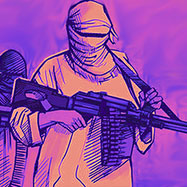
The Tehrik-i-Taliban Pakistan (TTP) claims that the Pakistani state does not practice true Islam and therefore it can wage a legitimate Jihad against it.
Imran Khan’s overemphasis on further mainstreaming the religious education might result in increased conflict between his government and the opposition and also the civil society in Pakistan.


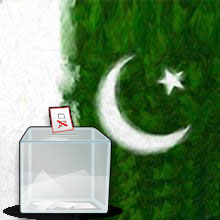

Political Turmoil in Pakistan Raises More Questions Than Answers
Pakistan’s political culture has become not conducive for democratic politics, at a time when the country is faced with the possibility of economic default and increasing attacks of insurgent groups from within.