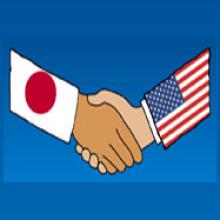
Notwithstanding popular criticism and opposition, the US-Japan security alliance and the presence of USFJ remain vital to Japanese foreign and security policies.
Getting the economy back on track would be Kan’s top most priority. Kan views ties with the US as the core of Japan’s foreign policy, though he also greatly values the relationship with China.
Notwithstanding revelations about the secret nuclear pact, the Japan-US alliance is likely to remain strong and the East Asian security order will continue to be determined by the American presence
The disclosure of this agreement is aimed at scoring political points as well as addressing the discontent among the nuclear allergic Japanese who want adherence to the non-nuclear principles in letter and sprit.
The Japan-US alliance is indispensable for dealing with the uncertain future of regional and global security, particularly in the Korean Peninsula and to ensure China’s responsible role in the region.
By giving away Asia to China on a platter, the Obama Administration’s posture undermines its traditional allies (Japan, South Korea, and Australia) as well as its new partners like India.
Trade relations between the US and China only exemplify the true nature of a complex interdependent international environment. This limits or alters foreign policy options for both countries and directly connects domestic politics to international politics. In this game of interdependence, China has stayed ahead due to unique domestic political and economic conditions.
The Futenma issue is therefore unlikely to be allowed to derail the decades-old alliance relationship, irrespective of the fact that there is now a government in Japan headed by the DPJ, which was in the opposition since World War II.
US Secretary of State Hillary Clinton’s recent four-stop swing through Asia – Japan, Indonesia, South Korea and China – in her first tour as Secretary of State represented a strong new beginning for A