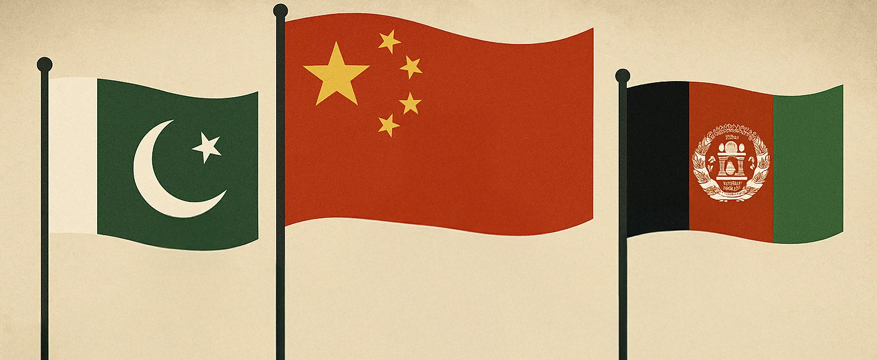
The China-Pakistan Economic Corridor (CPEC) has been earmarked as a flagship project of the Belt and Road Initiative (BRI), which is described as Chinese President Xi Jinping's signature foreign policy initiative and a grand strategy aimed at restoring China's “rightful'' great-power status in the world. It is a major plank in China's geo-strategic and economic architecture for the region, using Pakistan to secure an exploitative strategic perch in South Asia and the Arabian Sea, overlooking the crucial Persian Gulf, the west coast of India, and the east coast of Africa.
While the ruling elite including army in Pakistan considers CPEC a boon, many analysts view it as a Chinese game-plan to turn Pakistan into a permanent colony, a rentier-cum-client state.