The conflict with Iran is unlikely to produce a decisive military outcome, given that Israel and the US retain different strategic lenses vis-à-vis the regional security situation.
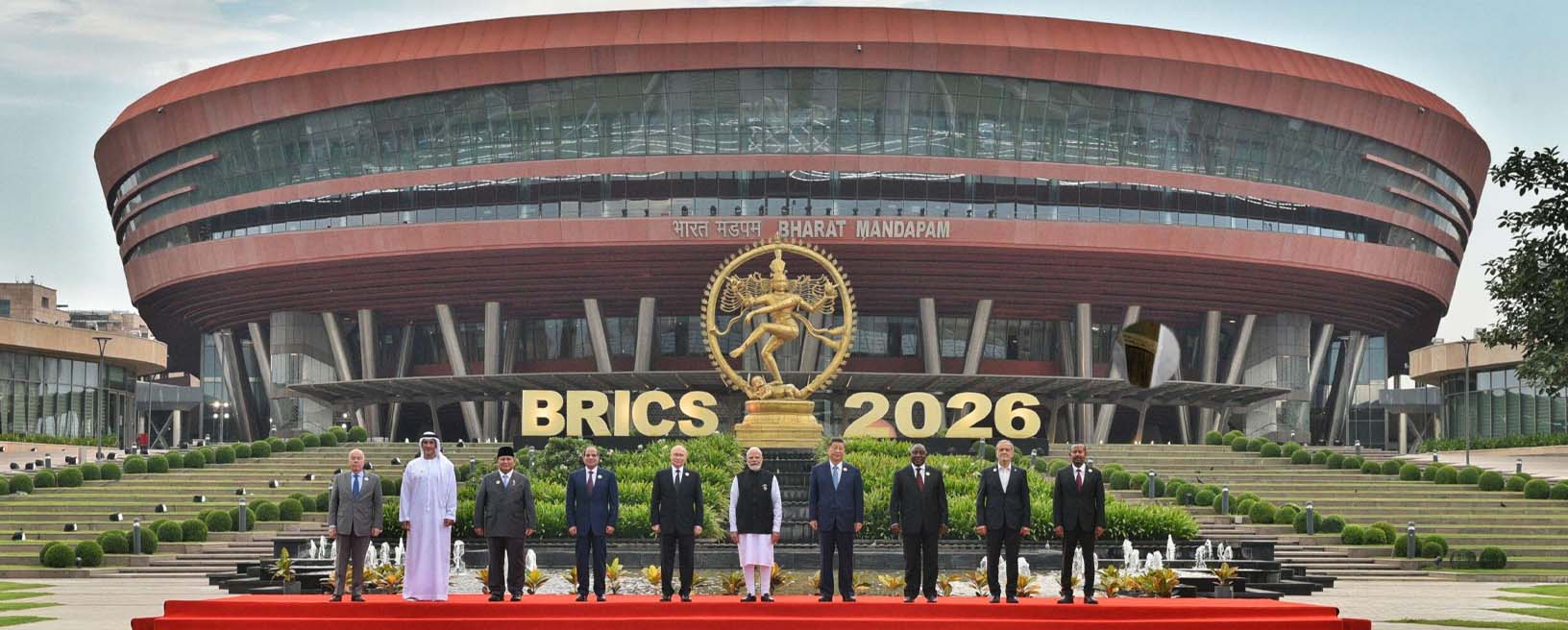
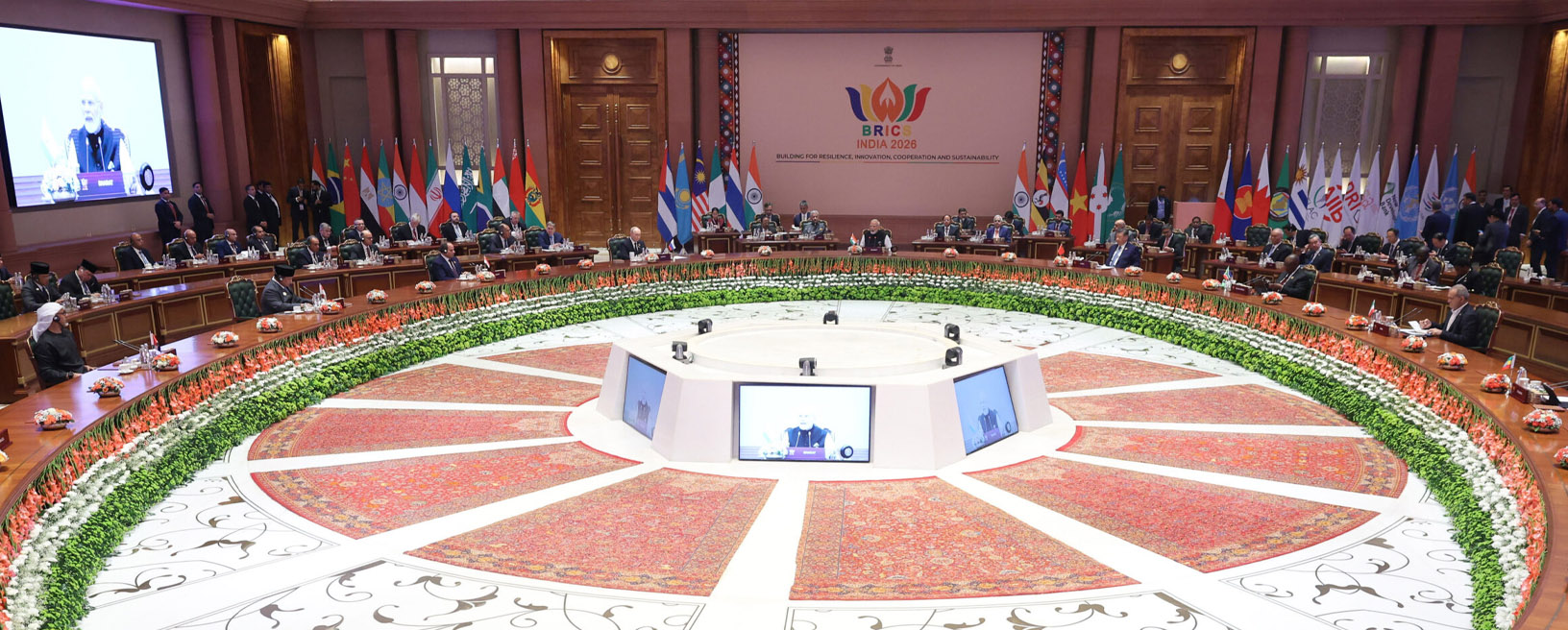
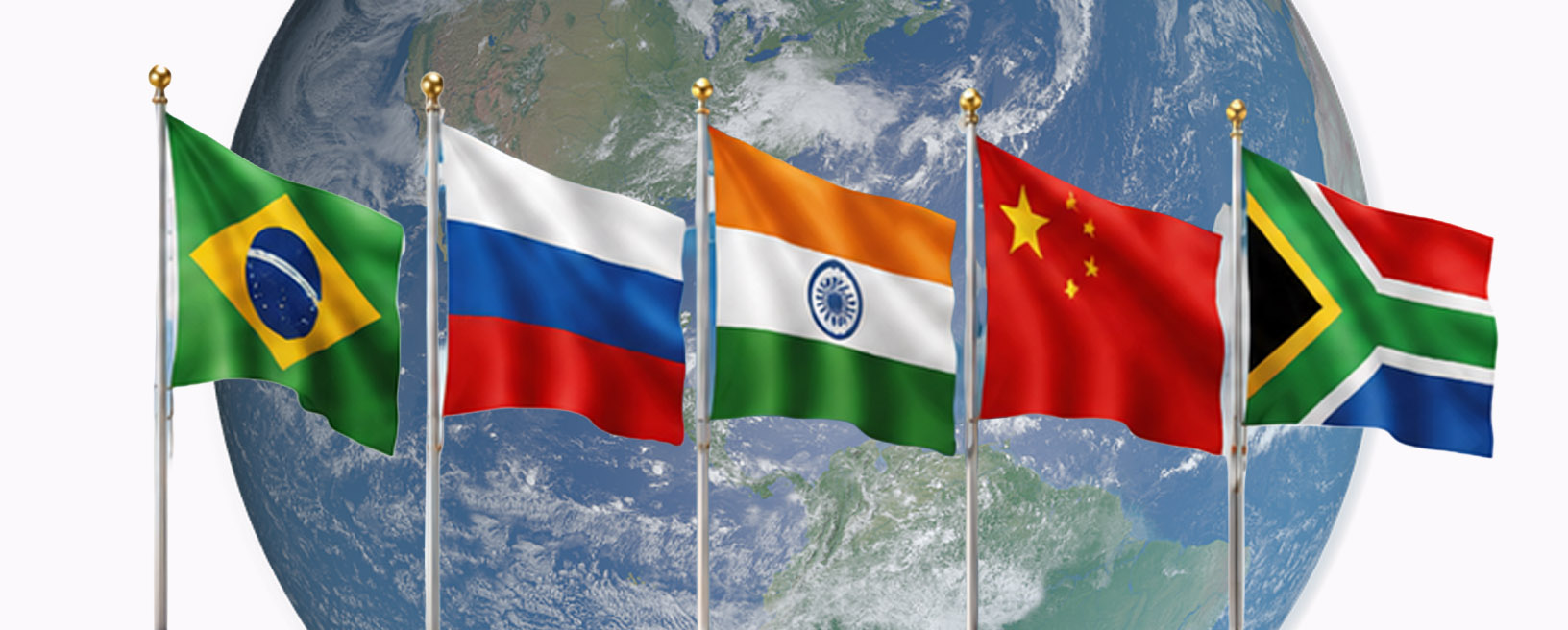
The Delhi BRICS Declaration reflects consensus on the issues concerning all three pillars of the NPT—disarmament, non-proliferation and the peaceful uses of nuclear energy.
The proposed BRICS Space Council could provide a platform for BRICS states to reconcile their differing positions on space security and sustainability.
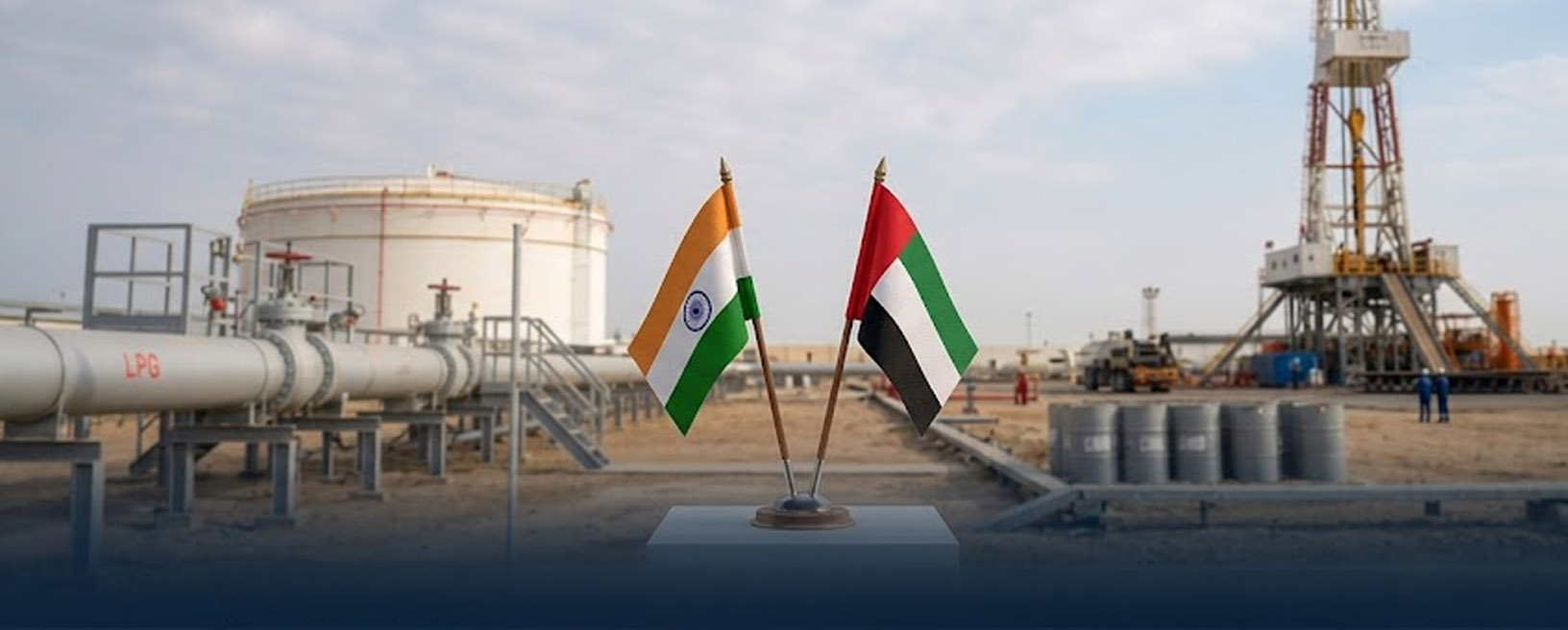
Fujairah’s potential development as an overseas Strategic Petroleum Reserve hub signals New Delhi’s drive to create resilient energy infrastructure beyond its sovereign borders.
The July 2026 US–Saudi Arabia nuclear deal does not bind Riyadh to forgo enrichment and reprocessing, nor does it require the IAEA Additional Protocol.
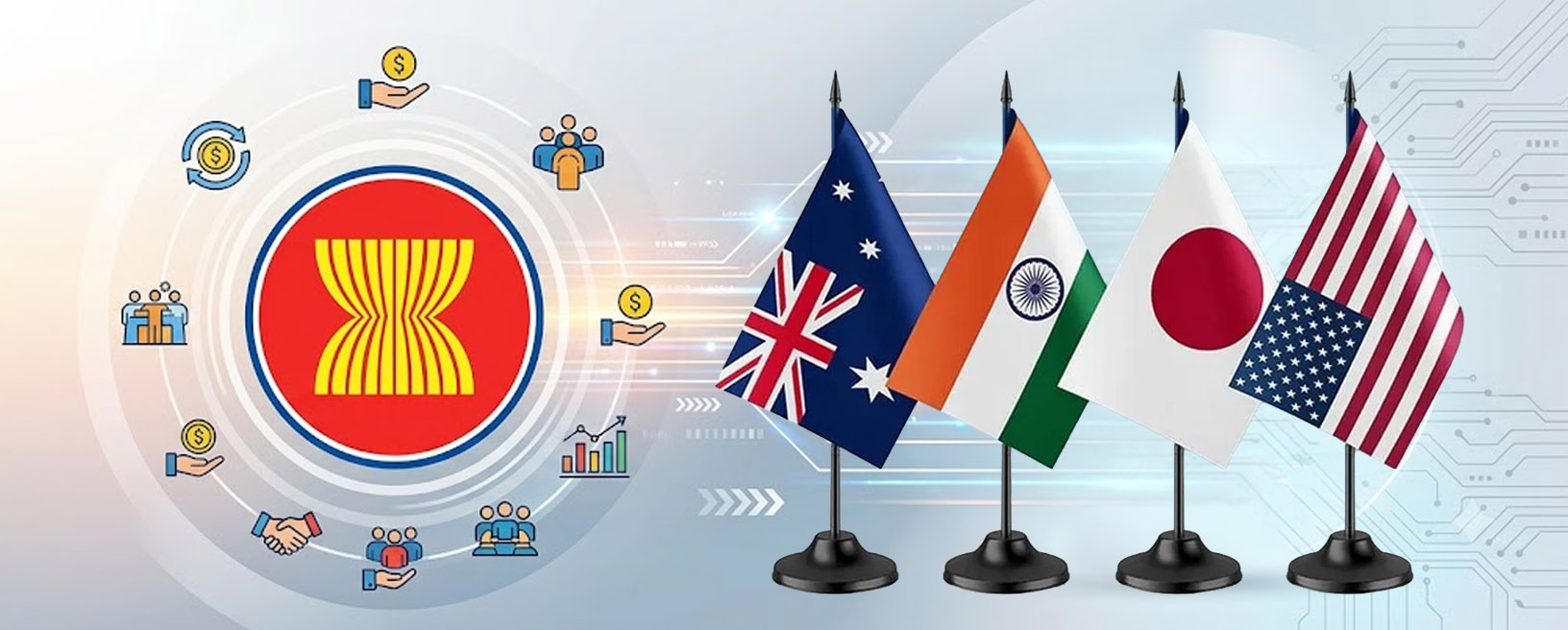
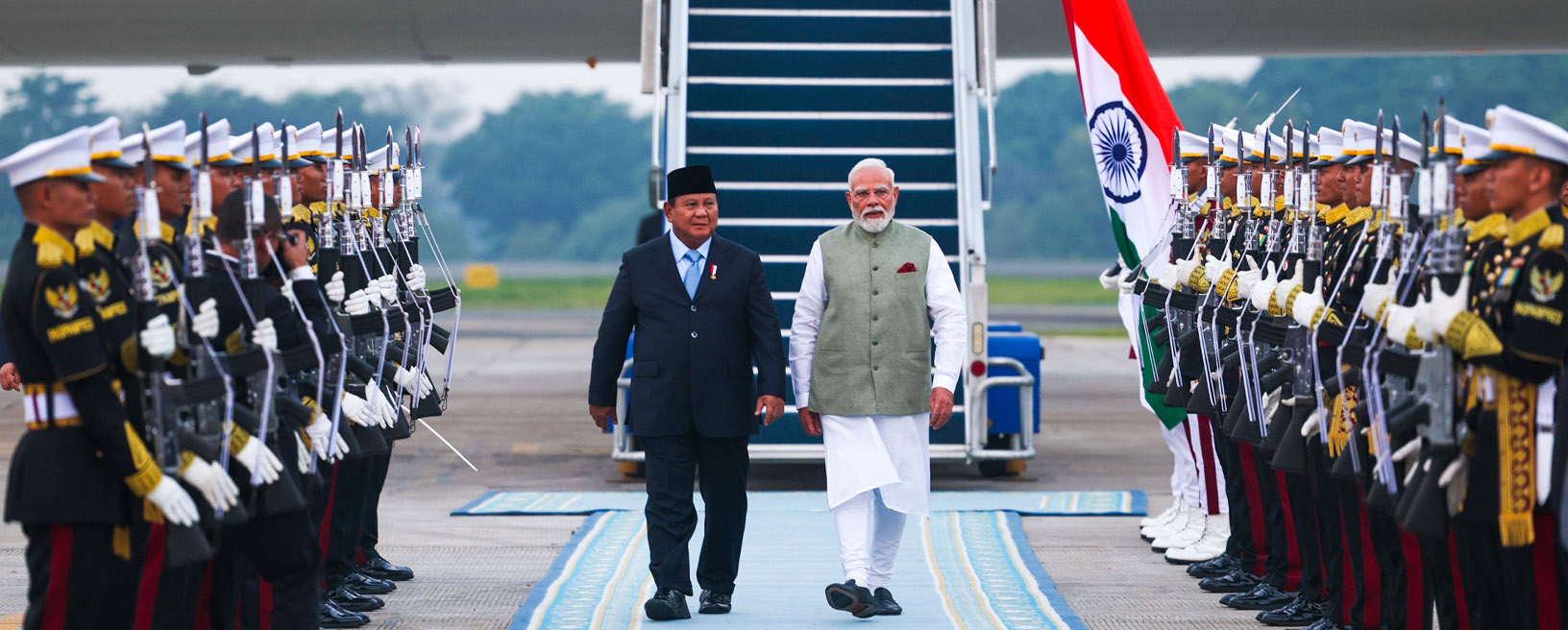
Prime Minister Narendra Modi’s visit to Indonesia further strengthens bilateral defence cooperation, with positive implications for overall stability in the Indo-Pacific.
The 2026 NATO Summit highlighted the imperative to increase the alliance's defence investment, expand defence industrial production, and continue the support for Ukraine.
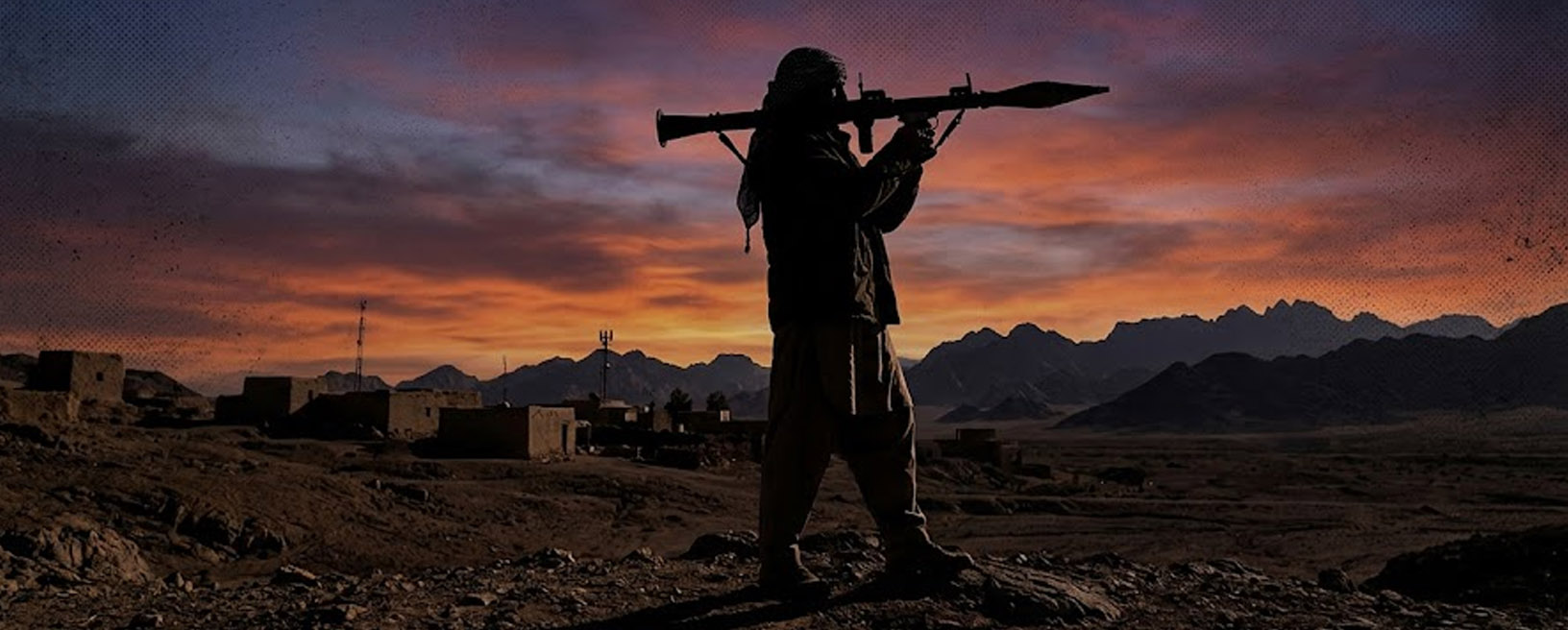
US–Nigeria counter-terrorism cooperation, with positive operational outcomes, offers lessons for developing resilient and sustainable regional counter-terrorism partnerships in Africa.
The 2026 communiqué reflects BRICS nations' reimagining of energy security, anchored in tech-centric innovation, Global South-led governance, and resilience.